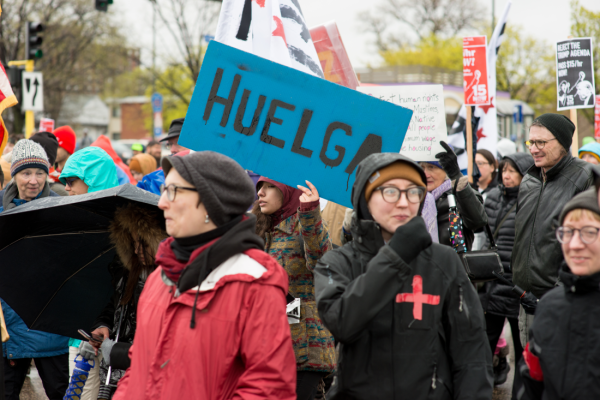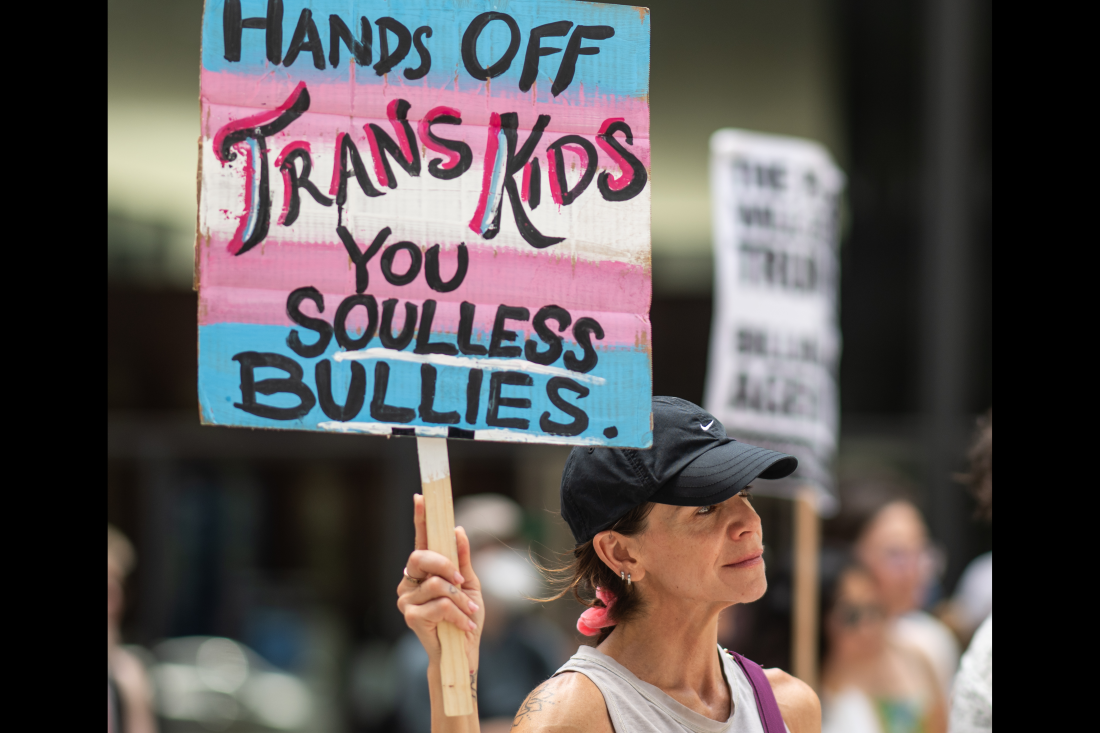
The battle for transgender rights has been see-sawing for years. In 2018, Massachusetts voters delivered a landmark victory for trans rights: nearly 68% upheld nondiscrimination protections in public places after unions, LGBTQ+ advocates, and community groups united.
In 2026, hundreds of anti-trans bills were proposed, including seven ballot initiatives across five states. And Trump-backed federal policy has also targeted trans people.
The reach of these efforts extended beyond gender restrictions to government power over people’s lives and political activity.
State initiatives
In November, voters in Arizona, Colorado and Nebraska all approved state measures restricting trans rights.
Missouri, meanwhile, soundly rejected its anti-trans measure. And Washington state split on two initiatives — defeating I-001, deceptively marketed as a parental rights law, and passing I-638 that targeted trans girls in sports.
In the Evergreen State, mega-millionaire Brian Heywood financed I-001 and I-638 through Let’s Go Washington.
Voters rejected I-001, which would have weakened student privacy protections, including for children reporting abuse or neglect at home.
Voters approved I-638, barring transgender girls from girls’ sports and requiring healthcare-provider verification of sex for girls seeking to participate. Opponents of I-638 have called this out as a medically unneeded pelvic exam on children.
Danni Askini, co-chair of No Hate in WA State, warned that the two initiatives could affect “any girl playing sports, [or] kids who need to report abuse or neglect in the home.”
In Colorado, voters approved Proposition 134, restricting transgender participation in school sports, and Proposition 135, prohibiting certain gender-affirming surgeries for minors.
Missouri voters rejected Amendment 3, which paired restrictions on gender-affirming care with an attempt to overturn abortion rights approved in 2024.
Heywood’s spending illustrated an advantage for wealthy donors: Even where protections existed, initiatives forced defenders to spend money and organize, while giving sponsors a platform to portray transgender inclusion as a threat.
A dangerous escalation
The Trump administration threatened schools with trans-inclusive policies through federal civil rights enforcement and funding pressure. In September 2026, the Education Department formally removed Biden-era Title IX regulations already struck down by a court, restoring the 2020 rules.
In May 2026, the administration’s counterterrorism strategy directed authorities to identify and neutralize violent political groups described as “anti-American, radically pro-transgender, and anarchist.” It called for mapping membership and organizational ties and disrupting operations.
Although directed at groups the administration characterized as violent, using transgender advocacy as an ideological marker raised concerns about political dissent. The pattern recalled a fascistic tactic: cast a minority as dangerous and use fear to justify repression.
Beyond the ballot box
Transgender people and their allies continue to fight back. The Seattle School District plans to take legal action against the trans sports ban. Groups like the Gender Justice League are also considering a court challenge to I-638. Others, including No Hate in WA State, Radical Women and the Freedom Socialist Party, intend to keep up the fight for LGBTQ+ rights.
In Colorado, Governor-elect Phil Weiser, who opposed both of his state’s propositions, urged lawmakers to revisit their implementation, particularly the risk of invasive examinations of student athletes. The ACLU of Colorado also pledged to continue defending transgender rights.
Missouri preserved voter-approved abortion protections and blocked new constitutional restrictions on transgender healthcare. Massachusetts showed what solidarity can accomplish. The wins underscore why unions, feminists, LGBTQ+ organizations and the Left must continue organizing together in workplaces, courts, and communities.
Send feedback on this article to FSnews@socialism.com.